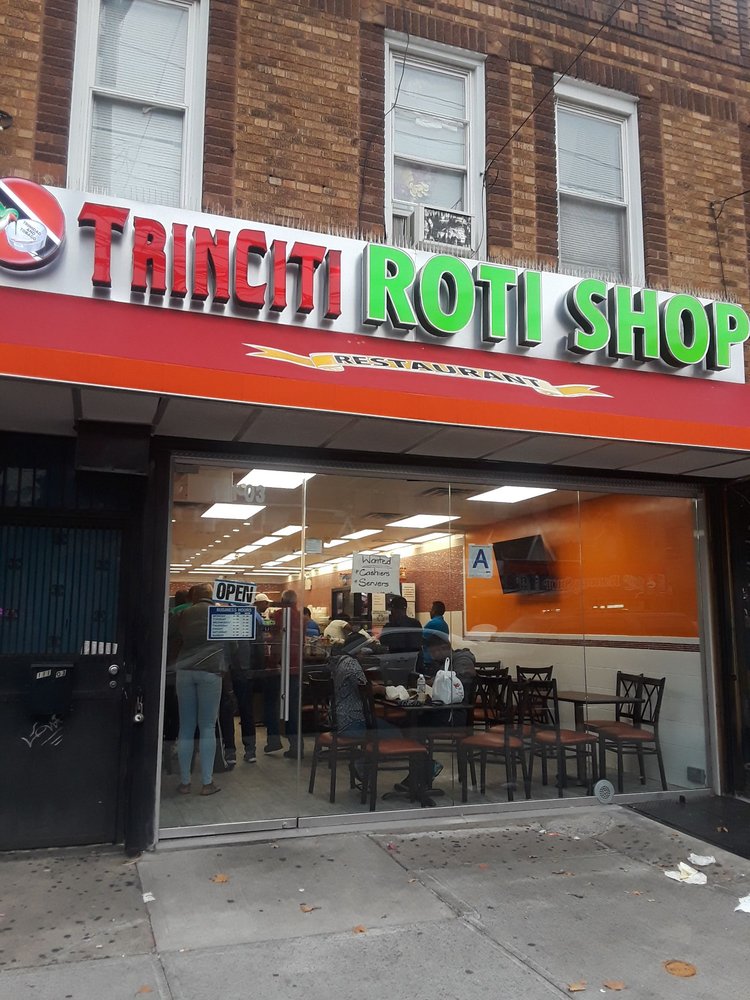
The international appetite for authentic Trinidadian cuisine has reached a fever pitch, and nowhere is this more evident than at Trinciti Roti Shop in Queens, New York. Recently featured in the New York Times Cooking series “Sandwich City,” this South Ozone Park institution exemplifies a masterclass in culinary migration and the enduring power of family legacy.
A Global Demand for the Trinidadian Palette
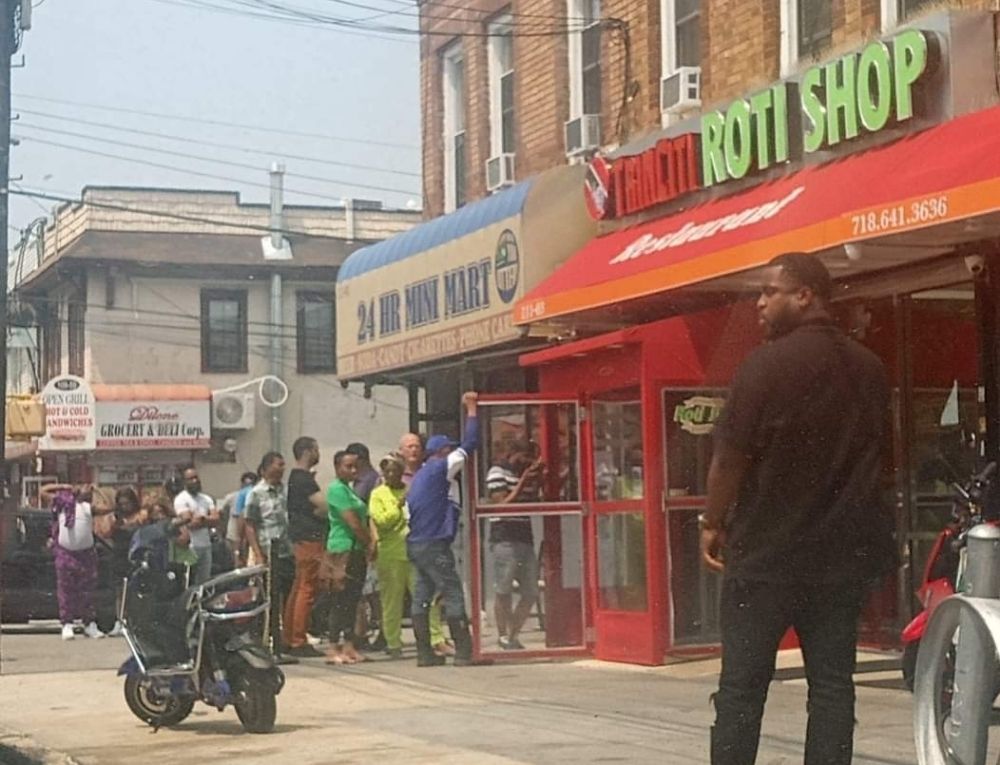
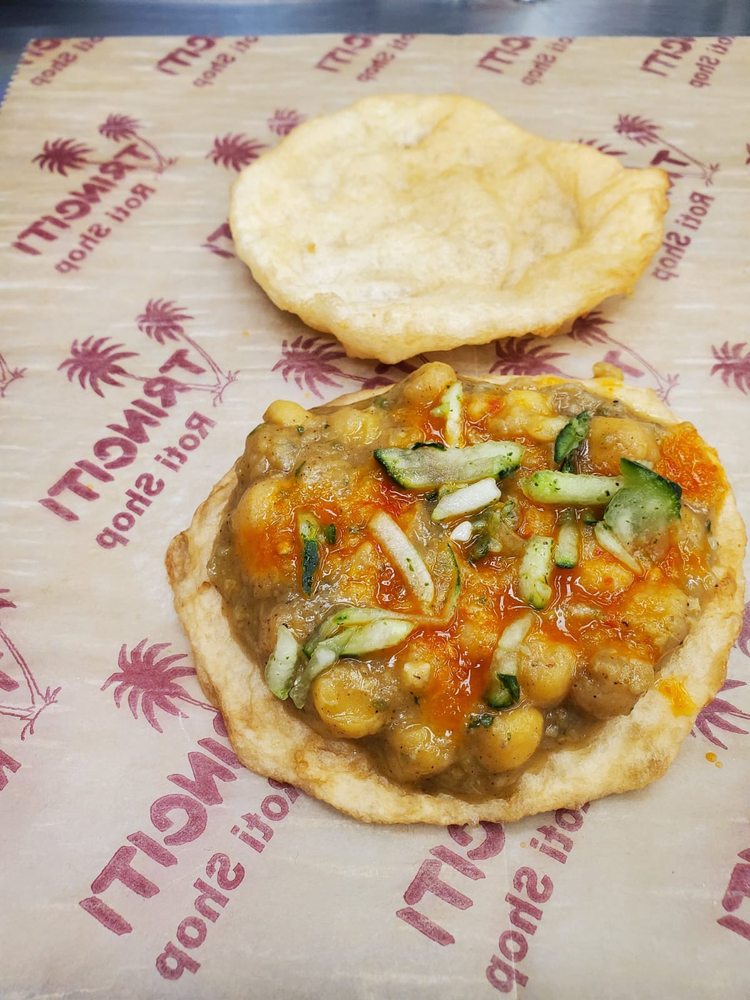
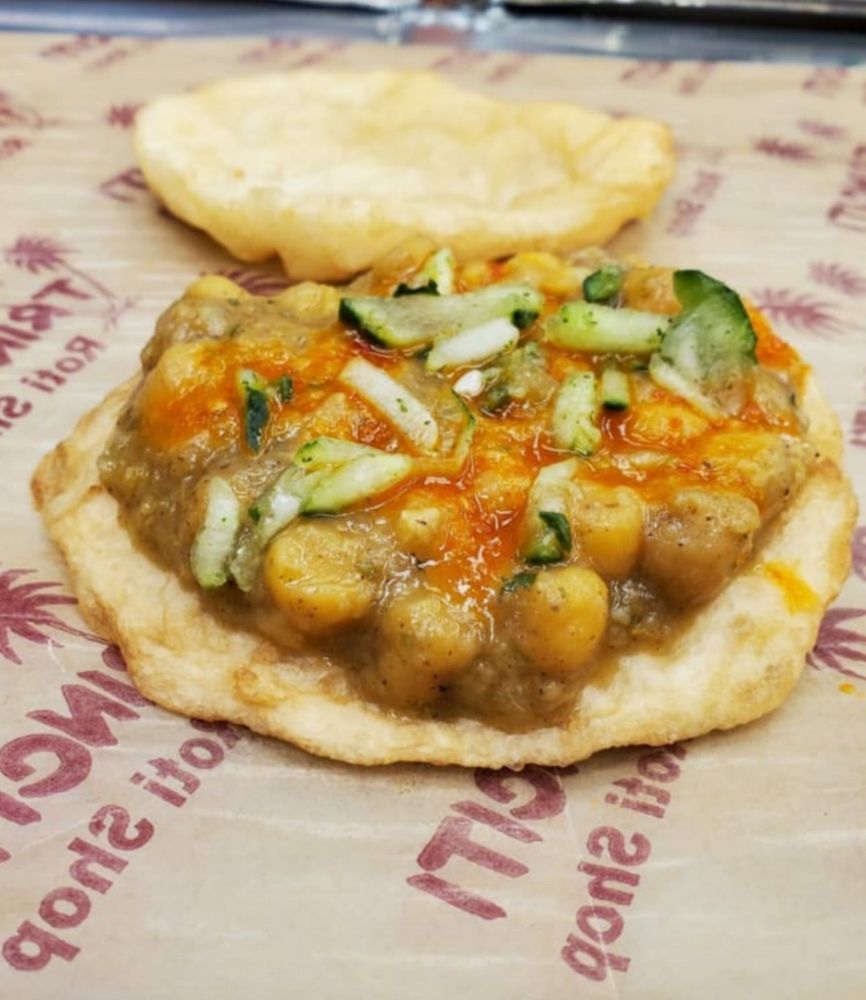
The statistics emerging from Trinciti are nothing short of staggering. On a peak day, the shop handles a volume of up to 5,000 doubles. This level of output is a definitive indicator of the massive demand for Trinidadian flavours on the global stage. It suggests that our unique “melting pot” of cultural influences, compressed into a single island space, possesses a universal appeal that resonates far beyond our shores.
For those of us observing from home, seeing a small family business command such authority in the New York food scene is a point of immense pride. It confirms that our traditional spices and cooking techniques are not just local comforts but world-class culinary exports.
The Maheepat Legacy
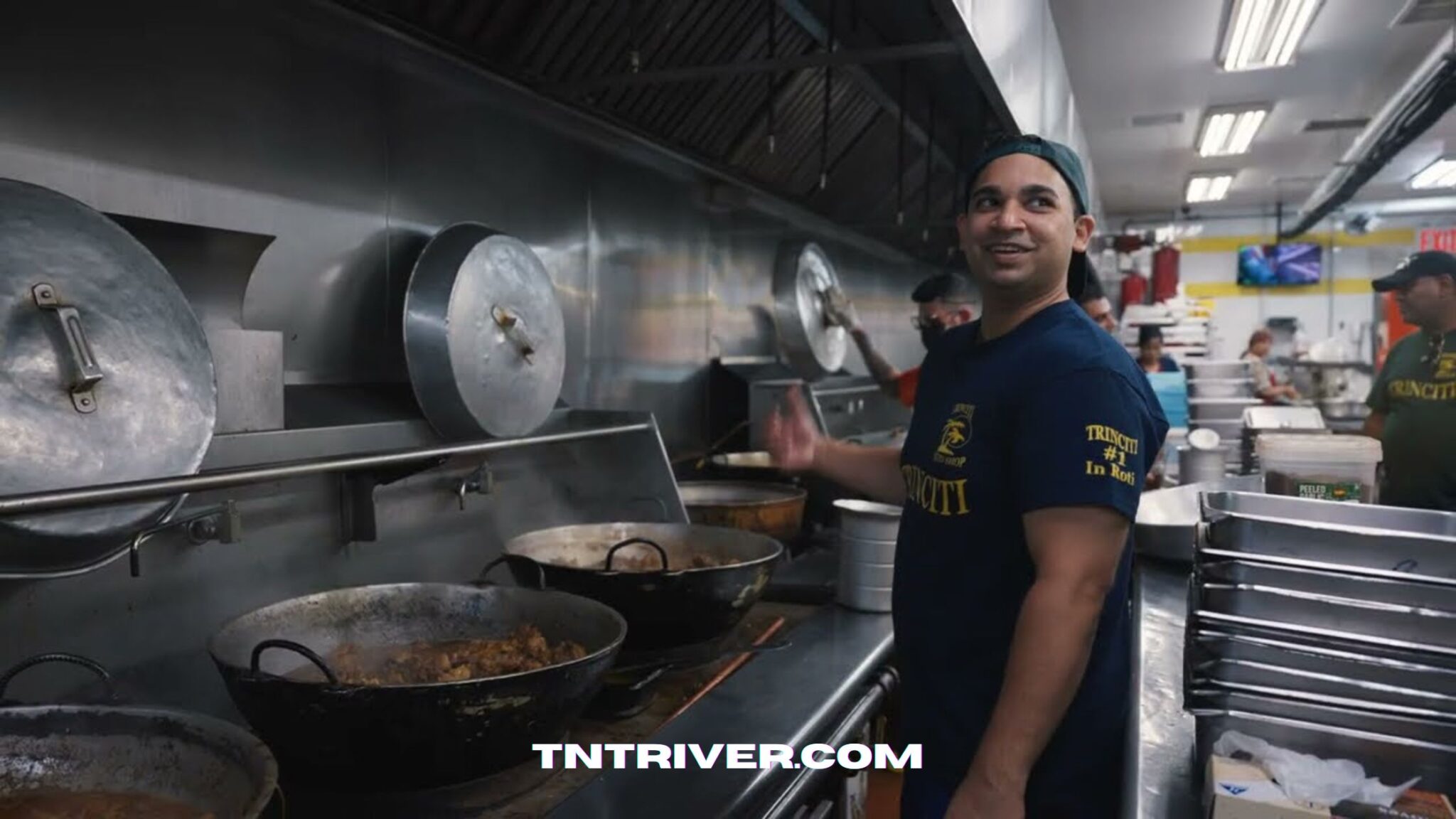
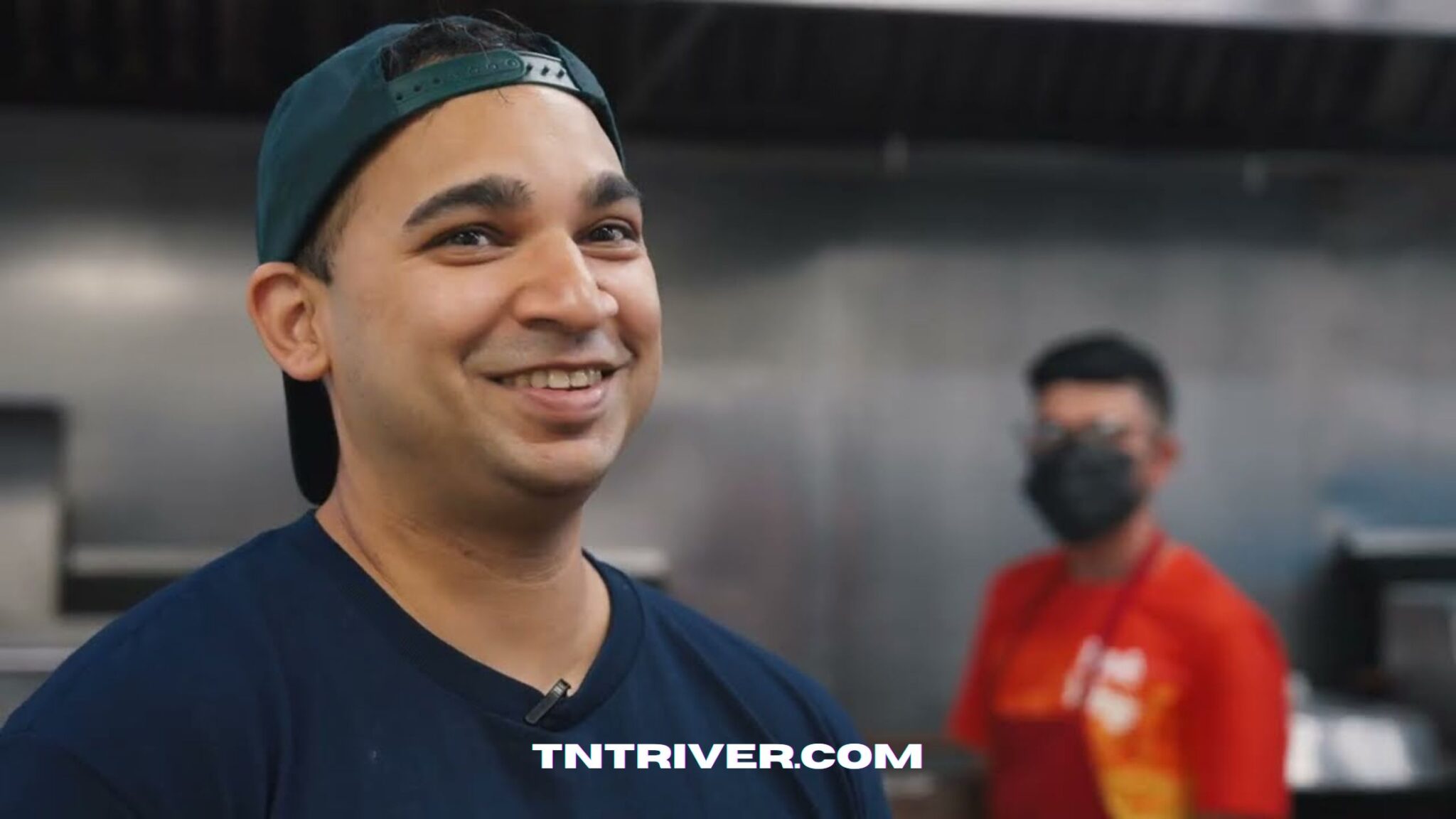
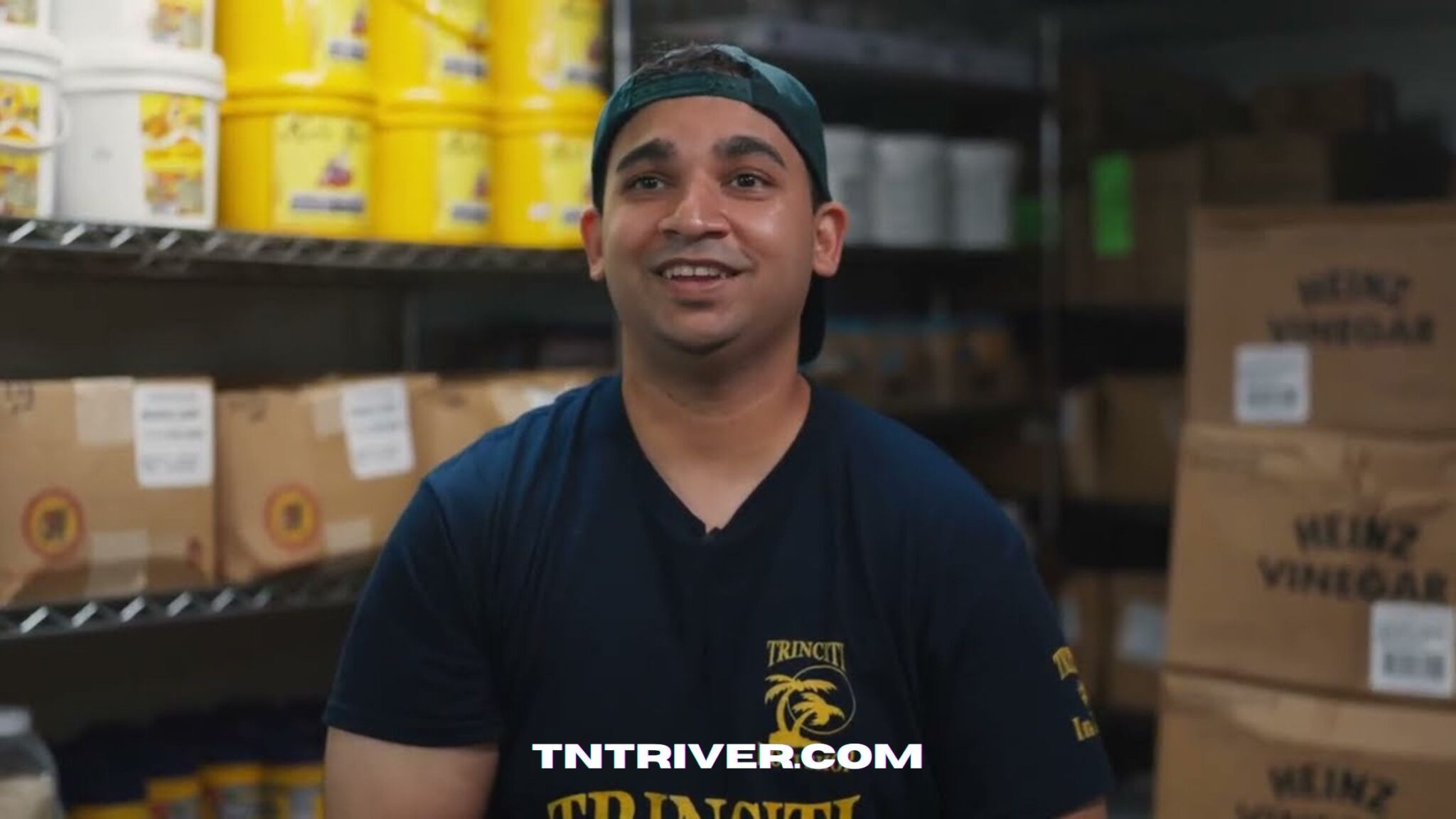
The shop was established in 2005 by the Maheepat family and is currently steered by Amit Maheepat alongside his mother. Known affectionately as the “Boss Lady,” she maintains a rigorous standard of quality derived from her own mother’s recipes. The kitchen operates with 11 woks in a high-pressure rhythm that mirrors the intensity of our most famous local establishments.
The name “Trinciti” itself serves as a clever bridge between two worlds. While it likely draws inspiration from our own Trincity, it also functions as a portmanteau for “Trini City,” signalling a space where the diaspora can congregate. By maintaining these roots, the Maheepats have become cultural ambassadors, bringing sophisticated awareness to the nuances of Caribbean-Indian soul food.
A Subtle Evolution of Form
In observing the featured fare, one cannot help but notice the subtle adaptations that occur during migration. While the doubles look undeniably appetising, the “bara” appears on camera to be slightly thicker and more substantial than the delicate versions found at our local roadside stands. It is a fascinating “version” of the dish adapted for the American landscape, yet it clearly retains the soul of the original channa and tamarind profile.
Sustaining the Culture
The dedication required to marinate meats for hours and hand-clap “Buss-up-shut” roti daily reflects the Maheepat family’s commitment. They have managed to preserve the “Trini way” despite being decades removed from the island, proving that heritage is a living, breathing entity.
We remain incredibly proud of our people abroad who continue to make a name for themselves while keeping the Trinidadian flag flying high. Trinciti Roti Shop is a clear signal to the world that when it comes to flavour, Trinidad and Tobago remains a dominant force.
Watch the New York Times video here:
Gallery